
NSC vs ASC: The Difference Explained
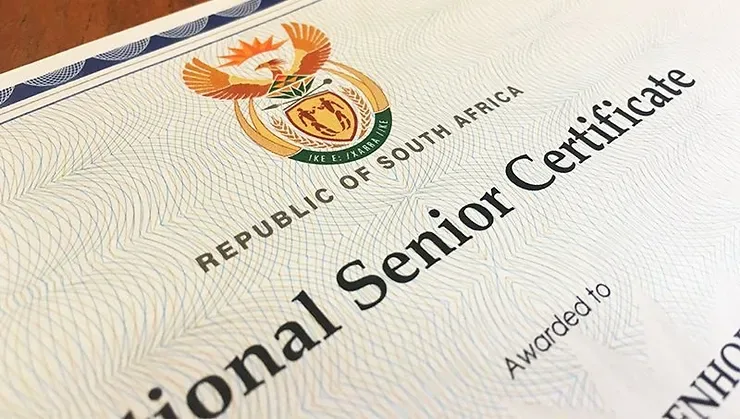
“Adult Matric” usually refers to the Senior Certificate (as amended), often shortened to ASC. Choosing a route requires more than checking your age.
National Senior Certificate (NSC)
The NSC is the school matric qualification. Adults with an incomplete NSC may also complete it as part-time candidates. It is not simply a qualification for people under 21.
Senior Certificate (as amended)
This route generally admits eligible adults aged 21 or older. Exceptional admission for out-of-school learners aged 18–21 requires provincial approval. Candidates need a qualifying six-subject package; marks are examination-based, without the school-based assessment component.
Check before converting
DBE states that a candidate who converts from an incomplete NSC to the Senior Certificate cannot later revert to completing the NSC. Previous credits can be recognised, but your records and subject package need to be checked.
Further study
Both routes can support entry to higher education when the relevant requirements are met. A qualification does not guarantee admission to a particular course or institution.
Your next step
Ask the education department to confirm your route, recognised credits, subjects and current registration dates before committing. BrainBoost offers matric rewrite and Senior Certificate tutoring and can assist applicants with understanding official registration steps. Eligibility, examination registration and certification remain the responsibility of the relevant education authorities.
Official guidance: DBE Senior Certificate requirements. For current application dates and requirements, also check the DBE Senior Certificate registration page and NSC second examination guidance.